
Which Traffic Sources Suit CPA Offers Best?
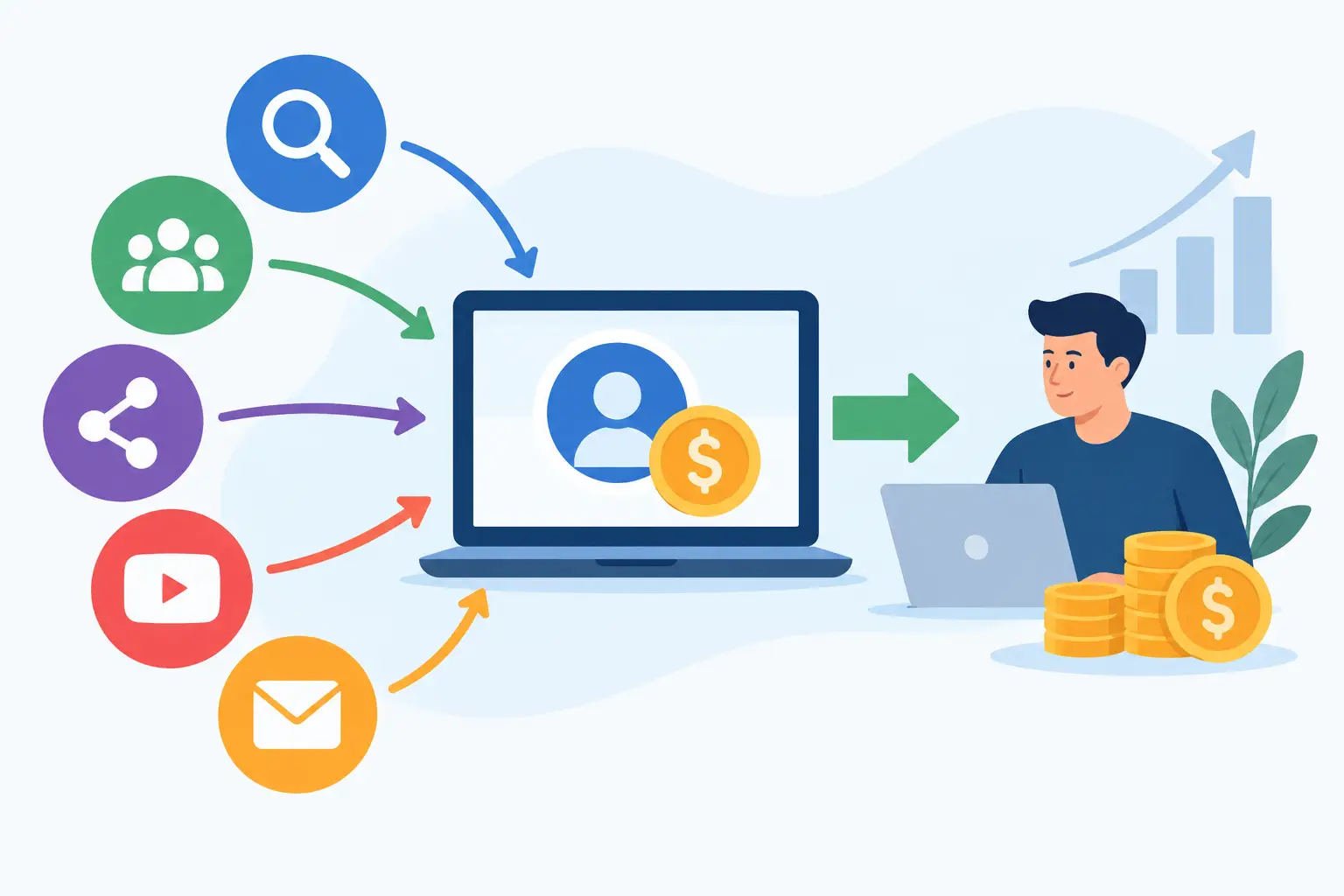
A CPA offer can look excellent on paper – a strong payout, a recognizable brand, a clean landing page – and still fail because the traffic does not match the action. The real question is not simply which traffic sources suit CPA offers. It is which source can reach people at the right intent level, in the right market, with a compliant message that the advertiser will approve.
For affiliates, that distinction protects budget and helps build predictable profit. For advertisers, it protects lead quality and ensures affiliate volume turns into genuine customer acquisition. The best campaigns are built around fit: offer type, conversion event, audience behavior, approval rules, and the tracking data needed to improve performance.
Start With the Conversion Event
A CPA offer may pay for a sale, a submitted lead form, a trial registration, an app install, a call, or a completed quote. Those actions do not require the same visitor mindset.
High-intent offers such as insurance quotes, software trials, finance applications, and travel bookings usually benefit from users who are actively researching a solution. Content sites, SEO, comparison pages, and carefully targeted search campaigns can work well because they meet a clear need already in progress.
Lower-friction actions, such as newsletter signups, app installs, free account registrations, or consumer sweepstakes where permitted, can often handle broader reach. Native advertising, social media, and display retargeting may generate volume efficiently. But a low barrier to entry does not remove the need for quality. If leads are duplicated, incentivized without approval, or generated with misleading claims, conversion rates and advertiser trust will suffer.
Before selecting a traffic source, check the offer terms closely. Look at permitted countries, approved promotional channels, brand-bidding rules, email restrictions, incentive rules, pre-landing page requirements, and any prohibited claims. Traffic that converts but violates the program rules is not profitable traffic.
Which Traffic Sources Suit CPA Offers by Intent?
SEO and Content Publishing
SEO is one of the strongest long-term sources for CPA offers with research-heavy buying journeys. A well-built article, review, tutorial, or comparison page can attract visitors searching for specific answers: the best accounting tool for freelancers, travel insurance for a particular trip, or a solution to a common software problem.
This source is especially effective when the content helps the reader make a decision rather than forcing a click. Explain the use case, identify the right customer profile, address limitations, and place the offer where it genuinely fits. That approach may take longer than paid traffic, but it can produce qualified conversions without buying every visit.
The trade-off is speed. Ranking competitive commercial terms takes time, and generic content rarely wins. Publishers need useful pages, clear site structure, and reliable conversion tracking to identify which topics and placements generate confirmed actions.
Paid Search
Paid search can produce fast, measurable results for offers with strong purchase intent. Someone searching for a specific product category, a quote, pricing, or an alternative is much closer to conversion than someone scrolling through a general interest feed.
It is often a good fit for lead generation, software, local services, travel, and eCommerce offers, provided the advertiser permits paid search. The keyword strategy matters. Broad keywords can create expensive, low-quality clicks, while long-tail terms often reveal a clearer need and lower competition.
Search is not automatically the best answer for every CPA campaign. It can become unprofitable quickly when payouts are modest, landing pages are weak, or approval rates are low. Affiliates should calculate profitability using confirmed conversions, not just tracking-platform leads. A campaign that appears positive before validation can turn negative after rejected applications or canceled sales.
Paid Social
Paid social works when audience targeting and creative can create demand before a person starts searching. It is useful for visually appealing products, mobile apps, consumer subscriptions, eCommerce, and offers with a simple first-step conversion.
The strength of social is scale and audience segmentation. Marketers can test messages by interest, demographic, device, location, and behavior, then move budget toward the creative-audience combinations producing the best postback data. Short-form video, customer problems, product demonstrations, and clear value propositions usually perform better than generic promotional language.
The limitation is intent. Social users were not necessarily looking for the offer, so the journey from impression to approved conversion may be longer. Aggressive claims, unclear pricing, or bait-style creative can also trigger platform issues and poor lead quality. Align the ad, the landing page, and the offer requirements from the first impression.
Email Traffic
Email remains a high-value traffic source when the list is permission-based, segmented, and relevant to the offer. A software publisher can promote a business tool to subscribers who have shown interest in productivity. A travel publisher can present a relevant booking or insurance offer to readers planning trips.
The advantage is control over the relationship. Email lets affiliates tailor timing, explain the offer in more detail, and follow up with useful content. It can also deliver strong conversion rates because recipients already recognize the sender.
However, email compliance is non-negotiable. Use clear consent practices, accurate sender details, unsubscribe options, and offer-specific rules. Do not assume an advertiser accepts email simply because the offer is available. Approval requirements, suppression lists, and creative restrictions vary by program.
Native Advertising and Content Discovery
Native placements can work well for offers that need explanation before the conversion. Financial tools, health and wellness products where claims are compliant, online learning, subscriptions, and consumer services may benefit from an advertorial or educational pre-lander.
This source gives marketers room to qualify the visitor before sending them to the advertiser. A good pre-lander sets expectations, explains who the offer is for, and filters out people unlikely to convert. That can improve downstream quality, particularly on lead-generation campaigns.
Native traffic requires disciplined testing. Headlines may attract clicks without attracting buyers, so click-through rate is not the success metric. Track the full path: placement, creative, pre-lander engagement, conversion rate, approval rate, and effective earnings per click.
Influencers and Community Traffic
Influencer partnerships, newsletters, niche communities, and creator content are often overlooked in CPA marketing. They can be highly effective when trust matters more than immediate scale. A credible creator in a defined niche can explain a product naturally and send an audience with strong relevance.
This approach is well suited to software, gadgets, education, travel, beauty, and consumer products. It works best when the offer complements the creator’s usual content and the disclosure is clear. Forced endorsements may generate attention, but they rarely create sustainable conversion quality.
Match the Economics Before You Scale
Every traffic source has a different cost structure. Organic content demands time and editorial resources. Search and social demand daily budget control. Email requires a legitimate audience asset. Influencer traffic requires relationship management and accurate attribution.
The offer payout must leave room for those costs. For example, a $10 lead payout may be viable through an owned email list but difficult through paid search in a competitive category. A higher-payout software sale may support a longer content funnel, retargeting, and multiple touchpoints.
Use a simple operating view: earnings per click, conversion rate, approval rate, average payout, and total acquisition cost. If the advertiser confirms 70% of tracked leads, include that 70% in your forecast. Transparent reporting is valuable because it reveals whether the problem is the traffic source, the landing page, the offer, or the final lead validation process.
Test One Variable at a Time
Fast testing does not mean random testing. Begin with one approved source, one audience segment, and a small number of creative angles. Set a realistic test budget based on the payout and expected conversion rate. Then evaluate results after enough clicks to see a pattern, not after a handful of visits.
Change one meaningful variable at a time: the keyword group, audience, creative, pre-lander, device, or geographic target. This makes results easier to interpret. When a campaign works, scale gradually and watch whether conversion quality holds as volume rises.
Professional affiliate networks make this process more efficient by bringing offers, terms, tracking, and support into one working environment. Indoleads helps partners compare available opportunities, monitor performance transparently, and work with account support when an offer needs a more suitable traffic strategy.
The most profitable source is rarely the one with the cheapest click or the biggest reach. It is the source that consistently sends eligible users who complete the required action and remain valuable after validation. Choose traffic based on that outcome, keep the message honest, and let confirmed performance guide the next budget decision.