
6 Successful CPA Funnel Examples That Convert
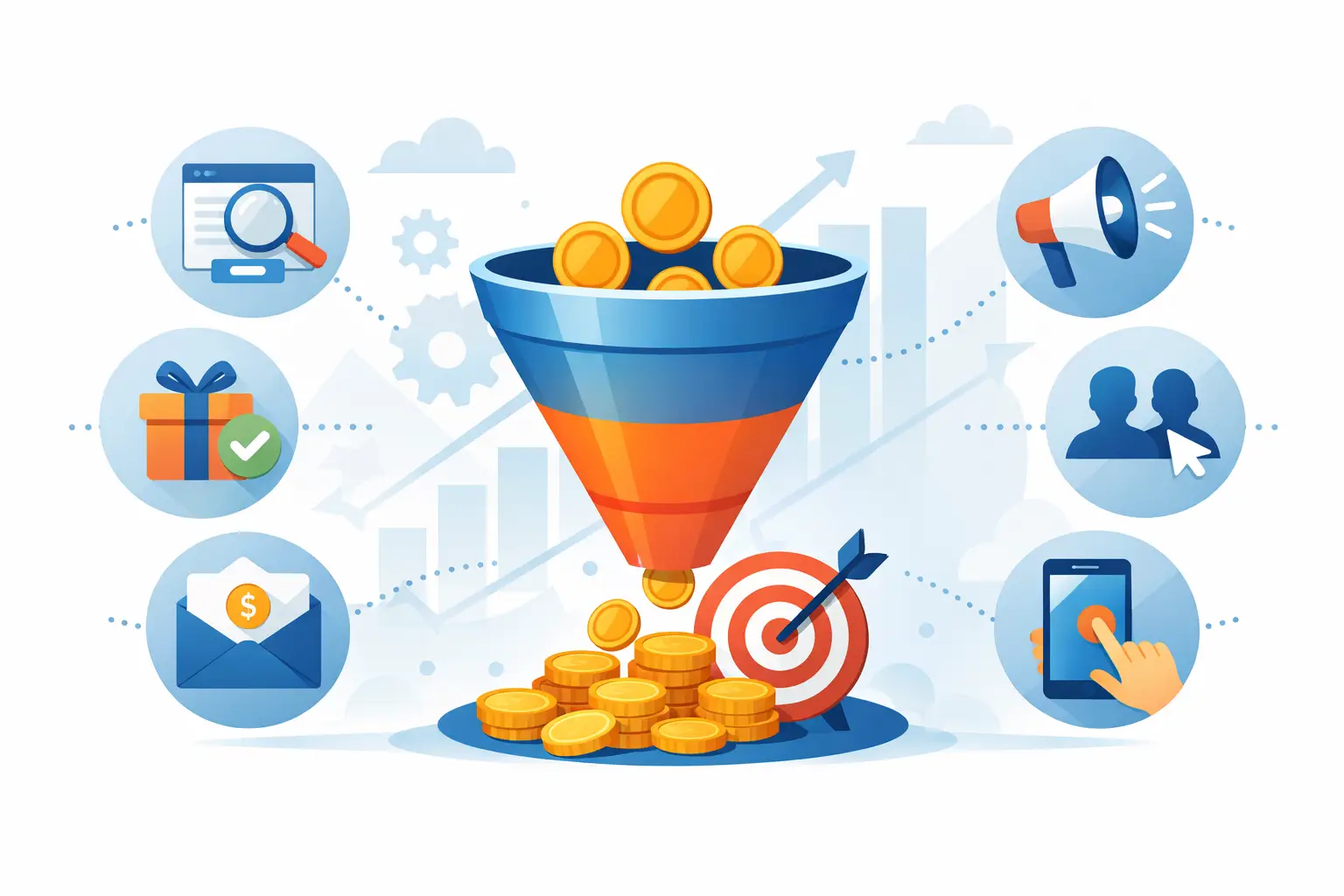
A CPA campaign can show strong click volume and still lose money. The gap is usually not the offer itself. It is the path between the first click and the confirmed action. These successful cpa funnel examples show how professional affiliates turn traffic into qualified leads, approved sales, and repeatable profit without relying on vague promises or untrackable tactics.
The common thread is intent matching. A visitor who searches for a product comparison needs different information than someone who has already abandoned an application form. When the message, landing experience, and conversion event align, conversion rates improve and advertisers receive cleaner leads.
What Makes a CPA Funnel Profitable?
A CPA funnel is not simply an ad that points to an offer. It is a planned sequence that qualifies traffic before it reaches the advertiser, gives users a reason to act, and measures whether the action is valuable.
For affiliates, profitability comes down to three numbers: earnings per click, conversion rate, and approval rate. A funnel with a high reported conversion rate can still underperform if the advertiser rejects a large share of leads. For advertisers, the same principle applies in reverse. More leads are only useful when they meet the agreed quality criteria.
The best funnels make the next step obvious. They also remove friction without concealing important terms, eligibility requirements, pricing, or disclosure details. That balance protects conversion quality and helps build durable advertiser relationships.
6 Successful CPA Funnel Examples
1. The Comparison Content Funnel for High-Intent Search
This funnel works especially well for software, insurance, finance, travel, and consumer products where users actively compare options before buying. The affiliate creates a detailed page around a specific decision, such as choosing accounting software for a small business or comparing travel protection plans for a family trip.
The page should answer the questions that matter before the click: pricing structure, key features, limitations, intended user, and how each option differs. A simple comparison table can help, but the surrounding analysis is what earns trust. Rather than sending every reader to one offer, match each recommendation to a clear use case.
The call to action should carry the same context as the page. “Check eligibility” is better suited to a lead-generation offer than “Buy now,” while a software trial may need “Start a free trial.” This reduces mismatched clicks and improves the odds of a confirmed conversion.
The trade-off is speed. Search-focused content takes time to rank, and competitive terms can require substantial editorial investment. Once established, however, it can deliver consistent traffic with lower marginal acquisition cost than paid media.
2. The Quiz Funnel for Lead Qualification
A short quiz can convert broad traffic into more relevant leads. This model is useful when an offer depends on user circumstances, such as insurance needs, credit profile, home services, education, or product fit.
The funnel begins with a focused promise: help users identify an option based on their needs. Ask only questions that materially affect the recommendation. For example, a home-service quiz might ask for ZIP code, property type, and project timeline. Every extra field creates drop-off, so avoid collecting data that the advertiser does not need.
After the quiz, present a tailored result and a clear next action. The user should understand why the recommendation fits their answers. If the final page suddenly asks for unrelated personal details, trust falls quickly.
This approach can raise lead quality because users self-segment before submitting. It also requires careful compliance review. Consent language, data handling, and claims must match both the advertiser’s requirements and the traffic source’s policies.
3. The Paid Search Pre-Sell Funnel
Paid search is effective when the query signals immediate commercial intent. Instead of sending every ad click directly to an advertiser page, many affiliates use a tightly focused pre-sell page that answers one key question and prepares the visitor for the offer.
Consider a user searching for “same-day business loan options.” The ad and pre-sell page should stay close to that request. Explain who may qualify, what information is commonly required, and what the application process looks like. Then direct qualified visitors to the advertiser’s application flow.
This model gives affiliates more control over message testing and can filter out poorly matched clicks before they create wasted advertiser traffic. It is particularly valuable when direct linking does not provide enough room to explain eligibility or differentiate an offer.
The risk is economic. Paid search margins can disappear quickly if bids rise or the landing page is too general. Monitor cost per click, click-to-lead rate, lead approval rate, and revenue per approved action by keyword. Pausing a costly keyword is often smarter than trying to force volume from weak intent.
4. The Email Nurture Funnel for Considered Decisions
Some CPA offers require more thought than a single visit can support. Email works well for products and services with a longer evaluation cycle, including software subscriptions, online learning, travel planning, and higher-value consumer services.
The funnel starts with a useful opt-in asset that directly relates to the offer. A travel publisher might offer a packing checklist or destination budget planner. A software publisher could provide a template that solves a common workflow problem. The value should be immediate, not a thin excuse to collect an email address.
Follow with a short sequence that helps the subscriber make a decision. One message may explain common mistakes, another may compare approaches, and a final message may introduce the most relevant offer with a time-sensitive reason to act if one genuinely exists.
Email is not a license to overmail a list. Frequency and content depth depend on the audience and vertical. High-trust editorial lists may respond better to fewer, stronger recommendations, while deal-focused audiences may expect more regular alerts. In both cases, segmenting by prior clicks and stated interests improves relevance.
5. The Retargeting Funnel for Abandoned Intent
Retargeting is designed for people who showed interest but did not complete the target action. It can be effective for eCommerce, travel bookings, app installs, and lead forms, provided the audience is segmented by behavior.
A visitor who read a product review needs a different message from someone who clicked through to an advertiser and returned. The first audience may need more proof, such as a benefit-led article or comparison. The second may respond to a reminder about the application process, a feature they viewed, or a legitimate limited-time promotion.
Cap frequency and exclude converters. Repeating the same ad to everyone is inefficient and can damage brand perception. It is also essential to respect platform rules and privacy requirements, particularly in sensitive categories.
A reliable retargeting setup measures incremental value, not just attributed conversions. If users would have converted anyway, the campaign may look profitable in reports while adding little real growth. Test holdout audiences or compare performance against a baseline when volume supports it.
6. The Creator Review Funnel for Trust-Led Conversions
For products that benefit from demonstration, creator-led content can move users from awareness to action. A video review, tutorial, newsletter recommendation, or social post works best when the creator has genuine topical credibility and can explain the product in a practical setting.
The strongest version of this funnel does not stop at a sponsored mention. It directs viewers to a dedicated resource page with fuller details, FAQs, and a focused call to action. That page becomes the bridge between the creator’s audience and the advertiser’s conversion flow.
Authenticity is the performance advantage here. A generic endorsement may create clicks, but a clear explanation of who should and should not use the product produces more qualified traffic. Disclosures should be visible, and claims should be supportable. Short-term click spikes are not worth compliance issues or rejected conversions.
How to Choose the Right Funnel
Start with the offer’s conversion event and approval criteria. If the advertiser pays for a completed purchase, product comparisons and creator demonstrations may be strong fits. If the offer pays for a qualified lead, quizzes and pre-sell pages can help set expectations before the form. If users need time to decide, email and retargeting can extend the conversation.
Traffic source matters just as much. Search traffic typically arrives with clearer intent, while social traffic often needs more education. A useful rule is to match the amount of pre-sell content to the gap between the user’s current awareness and the commitment required by the offer.
Before scaling, test one variable at a time: the headline, offer angle, call to action, audience segment, or landing-page structure. Track the full path through confirmed conversion, not just the first lead event. Transparent reporting and responsive account support make these decisions faster. Platforms such as Indoleads help affiliates compare offer terms and manage campaigns with the data needed to protect margin.
The best next move is rarely “send more traffic.” Build one focused funnel around a proven offer, verify the quality of its conversions, then scale only the segments that create value for both the affiliate and the advertiser.